The landscape of e-commerce in Slovakia is rapidly transforming. A recent survey conducted by B-inside for Seyfor among Slovak and Czech e-shop operators sheds light on key operational trends, particularly regarding warehousing and physical presence. For businesses navigating the complexities of online retail, understanding these dynamics is crucial for strategic planning of their commercial space.
The Dominance of In-House Warehousing
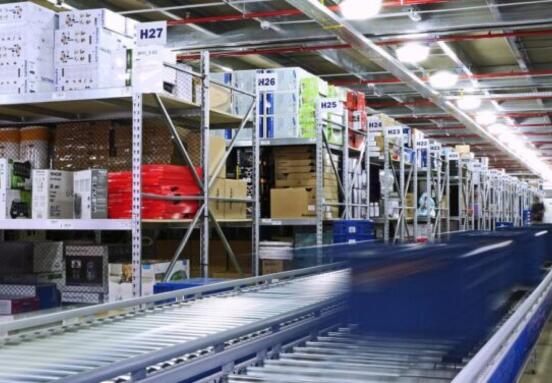
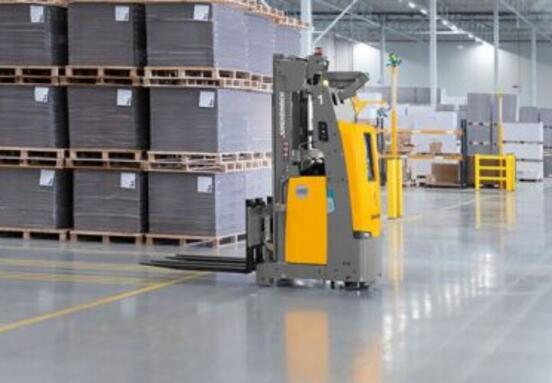
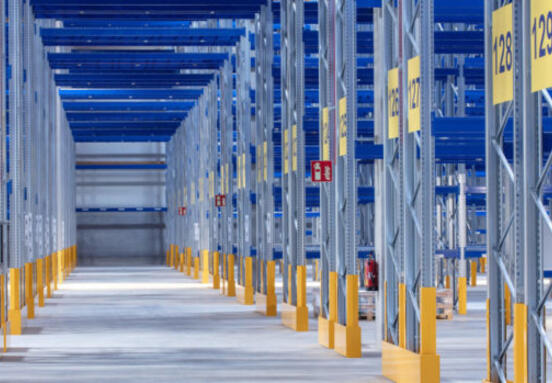
Contrary to a potential trend towards full outsourcing, the survey indicates a strong preference for proprietary warehouse infrastructure among Slovak e-shops. A staggering majority operate one or more of their own warehouses, with only about a tenth fully or partially outsourcing their operations. Furthermore, a small segment (9%) operates without any warehouses, likely utilizing drop-shipping or third-party fulfillment entirely. This robust preference for internal control highlights a significant and ongoing demand for dedicated warehouse space, from compact storage units for startups to large-scale distribution centers for established players.
E-commerce Beyond the Screen: The Rise of Physical Stores
While e-commerce traditionally implies a purely online presence, Slovak e-shops are increasingly embracing a hybrid model. The survey found that 55% of e-shops already boast their own physical store or showroom, with an additional 6% planning to establish one. This trend is even more pronounced among larger companies. This evolution signifies a growing need for integrated commercial spaces that combine retail frontage, showroom capabilities, and often adjacent storage or office facilities, enabling a seamless customer experience and multi-channel operations.
Expanding Services, Expanding Space Needs
The diverse array of services offered by e-shops further dictates their spatial requirements. Personal pickup, a market standard offered by 86% of e-shops, inherently necessitates a physical location accessible to customers. Beyond this, services such as pre-sale consulting (49%), custom production (30%), own service and repairs (27%), delivery with own vehicles (26%), and product personalization (24%) all imply a need for specific types of commercial space. This could range from dedicated office areas for customer service and consulting, workshop spaces for repairs and customization, to loading docks and secure parking for logistics fleets. Businesses looking for commercial property must consider how their service offerings translate into specific layout and infrastructure demands.
Strategic Space Planning for Growing E-commerce Businesses
As e-shops evolve beyond purely online projects, operating their own warehouses and often physical stores while offering a wider range of services, the demands on internal management and process integration intensify. This growth trajectory underscores the importance of strategic space planning. Whether you're a startup needing a small, flexible warehouse solution, a growing e-shop requiring a combined retail and storage unit, or an established player expanding your distribution network, finding the right commercial property is critical. Renting office or warehouse space offers the flexibility to adapt to market demands without the long-term commitment of ownership, providing a scalable solution for your evolving e-commerce needs.
Source: systemylogistiky.sk